What To Do To Be Able To Apply For These Vacancies
Anúncios
Are you interested in starting a career as a truck driver, equipment operator, or stock clerk? Each of these roles plays a crucial part in the logistics and transportation sectors, offering stability and growth opportunities. If you’re based in the United States and looking to enter one of these fields, this guide will provide you with actionable steps, resources, and tips on how to secure these positions.
1. Finding Truck Driver Jobs
1.1 Understanding the Role
Truck drivers are essential for transporting goods across the country, ensuring timely delivery and maintaining the flow of the supply chain. Key responsibilities include driving long distances, adhering to safety regulations, and performing routine vehicle inspections.
1.2 Steps to Secure a Truck Driver Position
Obtain a CDL (Commercial Driver’s License): To become a truck driver, you must first obtain a CDL. This requires passing written and driving tests specific to commercial vehicles. Visit your state’s Department of Motor Vehicles (DMV) website for information on how to apply.
Gain Experience: Entry-level positions may require some experience. Consider starting with a local trucking company or a driving school that offers training and job placement assistance.
Search for Job Openings:
Job Boards: Use job search platforms like Indeed, LinkedIn, and Glassdoor to find truck driver positions. Search for keywords like “CDL truck driver” or “long-haul truck driver.”
Company Websites: Check the career sections of major trucking companies like Schneider, Swift Transportation, and J.B. Hunt, which frequently hire drivers.
Local Classifieds: Explore local newspapers and job boards for regional trucking opportunities.
Networking: Join professional trucking associations such as the American Trucking Associations (ATA) or local driver groups to network and learn about job openings.
1.3 Prepare for the Application Process
Resume: Highlight your CDL, driving experience, and any specialized training.
Cover Letter: Write a tailored cover letter that emphasizes your commitment to safety and efficiency.
Interview Preparation: Be ready to discuss your driving history, safety record, and familiarity with transportation regulations.

Securing Equipment Operator Jobs
2.1 Understanding the Role
Equipment operators manage heavy machinery used in construction, mining, and other industrial settings. Responsibilities include operating bulldozers, excavators, and cranes, as well as performing maintenance checks.
2.2 Steps to Secure an Equipment Operator Position
Obtain Certification: Many equipment operator positions require certification. Look for programs accredited by organizations like the National Center for Construction Education and Research (NCCER) or the Associated General Contractors of America (AGC).
Gain Experience: Experience can be gained through apprenticeships or entry-level positions. Some employers offer on-the-job training for those with basic skills.
Search for Job Openings:
Job Boards: Search for equipment operator jobs on platforms like Indeed, Monster, and CareerBuilder. Use specific terms like “excavator operator” or “bulldozer driver.”
Company Websites: Visit the career pages of construction and industrial companies such as Caterpillar, John Deere, and local construction firms.
Industry-Specific Sites: Explore specialized job boards like ConstructionJobs.com or Heavy Equipment Operator Jobs.
Networking: Connect with industry professionals through trade associations such as the Construction Equipment Operators Association or local construction networking events.
2.3 Prepare for the Application Process
Resume: Focus on your certifications, operating experience, and any maintenance skills.
Cover Letter: Highlight your expertise with specific machinery and your commitment to safety.
Interview Preparation: Be prepared to discuss your experience with various types of equipment and your ability to handle machinery safely and efficiently.
Finding Stock Clerk Jobs
3.1 Understanding the Role
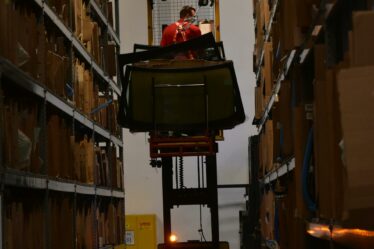
Stock clerks manage inventory in warehouses, distribution centers, and retail environments. Their duties include receiving goods, organizing inventory, and preparing orders for shipment.
3.2 Steps to Secure a Stock Clerk Position
Gain Relevant Experience: Experience in a similar role or a background in retail or warehouse work can be beneficial. Many positions offer on-the-job training.
Search for Job Openings:
Job Boards: Look for stock clerk positions on job search websites like Indeed, LinkedIn, and Glassdoor. Search for terms like “warehouse clerk” or “inventory stock clerk.”
Company Websites: Check the careers pages of major retailers and logistics companies like Amazon, Walmart, and FedEx.
Local Classifieds: Explore local job boards and newspapers for nearby stock clerk opportunities.
Networking: Join local business or warehouse associations to connect with potential employers and learn about job openings.
3.3 Prepare for the Application Process
Resume: Emphasize your organizational skills, attention to detail, and any relevant experience with inventory management.
Cover Letter: Write a personalized cover letter that highlights your enthusiasm for managing stock and your ability to maintain an organized workspace.
Interview Preparation: Be ready to discuss your experience with inventory control, handling and storing goods, and using inventory management systems.