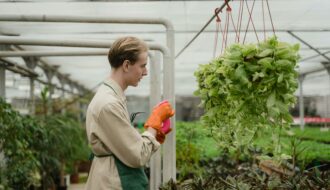
Opportunities in Planting and Cultivation
1. Entry-Level Positions
Field Workers: These roles involve direct hands-on work with plants. Responsibilities may include planting, weeding, and applying fertilizers and pesticides.
Farm Technicians: Assist with the operation and maintenance of agricultural equipment and technology used in planting and cultivation.
2. Specialized Roles
Crop Advisors: Provide expert advice on crop selection, soil management, and pest control strategies to improve yield and quality.
Agricultural Scientists: Work on research and development to enhance crop varieties, develop new cultivation techniques, and address agricultural challenges.
Farm Managers: Oversee the day-to-day operations of a farm or agricultural business, including planning and coordinating planting schedules, managing staff, and ensuring compliance with agricultural regulations.
3. Career Advancement
Research Opportunities: For those interested in the scientific side of agriculture, there are opportunities to engage in research aimed at improving crop yields, developing sustainable practices, and advancing agricultural technology.
Management and Leadership: With experience, individuals can move into supervisory or managerial roles, overseeing larger teams and more complex operations.
Benefits of a Career in Planting and Cultivation
1. Connection to Nature
Outdoor Work: If you love being outdoors and working with plants, this career allows you to engage with nature daily. Enjoy the satisfaction of seeing your hard work lead to flourishing crops and successful harvests.
Environmental Impact: Contributing to sustainable farming practices and improving crop management can have a positive impact on the environment and local ecosystems.
2. Job Stability and Growth
Essential Industry: Agriculture is a fundamental industry with a consistent demand for skilled workers. Careers in planting and cultivation offer job stability and the potential for long-term employment.
Skill Development: Gain valuable skills in crop management, technology use, and problem-solving. These skills are transferable and in demand across various agricultural sectors.
3. Personal Fulfillment
Sense of Achievement: There’s a unique sense of accomplishment in nurturing plants and seeing them thrive. The role you play in producing food and contributing to the agricultural sector can be incredibly rewarding.
Community and Collaboration: Work closely with a team and be part of a community that values cooperation and shared goals. Building strong relationships with colleagues can enhance job satisfaction.
Explore Your Career in Planting and Cultivation Today
A career in planting and cultivation offers a unique blend of outdoor work, scientific engagement, and practical skills. Whether you’re starting out or looking to advance in the field, there are numerous opportunities to contribute to successful crop production and enjoy a rewarding career in agriculture.