Career Opportunities in Logistics: Exploring Jobs, Types of Work, and Growth Potential in the U.S.
The logistics industry plays a crucial role in the U.S. economy
Jobs To Work In Stock Vacancies for Machine Operators Vacancies For Truck Drivers
Anúncios
With the rapid growth of e-commerce, technological advancements, and an increasing demand for efficient supply chain management, careers in logistics are more exciting and varied than ever. Whether you’re just starting out or looking to advance your career, this article will guide you through the different types of logistics jobs, opportunities for growth, and the benefits of working in this dynamic field.
1. Understanding the Logistics Industry
Logistics encompasses the planning, implementation, and management of the movement of goods and services. It involves a wide range of activities, from warehousing and transportation to inventory management and supply chain coordination. Here’s an overview of key logistics roles and functions:
1.1 Transportation
Transportation is a core component of logistics, involving the movement of goods by road, rail, air, or sea. Key roles in transportation include:
Truck Drivers: Responsible for delivering goods across various distances. Truck driving offers flexibility and the opportunity to see different parts of the country.
Air Cargo Handlers: Manage the loading and unloading of goods at airports and ensure timely delivery of air freight.
Logistics Coordinators: Oversee transportation schedules, coordinate with carriers, and ensure compliance with regulations.
1.2 Warehousing
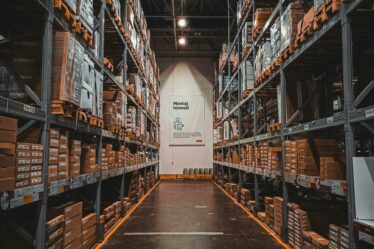
Warehousing involves the storage and management of inventory before products are shipped to their final destination. Key roles in warehousing include:
Warehouse Workers: Handle the picking, packing, and shipping of products. They also assist with inventory management and facility maintenance.
Warehouse Managers: Supervise warehouse operations, manage staff, and ensure that inventory levels are accurately maintained.
Inventory Control Specialists: Monitor inventory levels, perform audits, and ensure that stock is available to meet demand.
1.3 Supply Chain Management
Supply chain management involves coordinating and optimizing the entire supply chain from supplier to consumer. Key roles in supply chain management include:
Supply Chain Analysts: Analyze data and trends to improve supply chain efficiency and reduce costs.
Procurement Specialists: Source and negotiate with suppliers to acquire the necessary goods and services for the company.
Logistics Managers: Oversee the entire logistics process, including transportation, warehousing, and inventory management.
Types of Logistics Jobs
The logistics sector offers a diverse range of job opportunities across various levels of responsibility. Here’s a breakdown of common job titles and their responsibilities:
2.1 Entry-Level Positions
Logistics Assistants: Support logistics operations by handling administrative tasks, data entry, and communication with vendors and customers.
Forklift Operators: Operate forklifts to move goods within a warehouse or distribution center.
Shipping Clerks: Prepare shipping documents, track shipments, and handle customer inquiries related to shipping.
2.2 Mid-Level Positions
Logistics Coordinators: Coordinate the movement of goods, manage transportation schedules, and handle issues that arise during transit.
Warehouse Supervisors: Oversee daily warehouse operations, manage a team of warehouse workers, and ensure compliance with safety regulations.
Inventory Managers: Manage inventory levels, forecast demand, and develop strategies to optimize stock levels.
2.3 Senior-Level Positions
Logistics Directors: Develop and implement logistics strategies, manage large teams, and work closely with other departments to align logistics with company goals.
Supply Chain Managers: Oversee the entire supply chain process, from procurement to distribution, and work on improving efficiency and reducing costs.
Chief Supply Chain Officers (CSCOs): Lead the supply chain function at the executive level, develop long-term strategies, and drive innovation within the supply chain.
3. Opportunities for Growth and Advancement
The logistics industry offers significant opportunities for career advancement and professional growth. Here’s how you can advance your career in logistics:
3.1 Education and Certification
Relevant Degrees: Pursue a degree in logistics, supply chain management, business administration, or a related field. Many universities and colleges offer specialized programs.
Certifications: Obtain certifications such as Certified Supply Chain Professional (CSCP) or Certified in Production and Inventory Management (CPIM) to enhance your qualifications and improve your job prospects.
3.2 Skills Development
Technical Skills: Develop proficiency in logistics software, data analysis tools, and supply chain management systems.
Soft Skills: Strengthen skills such as problem-solving, communication, and leadership to excel in managerial and senior-level positions.
3.3 Networking and Professional Associations
Industry Associations: Join professional organizations such as the Council of Supply Chain Management Professionals (CSCMP) or the Association for Supply Chain Management (ASCM) to connect with industry professionals and stay updated on industry trends.
Networking Events: Attend industry conferences, seminars, and networking events to build relationships and discover new career opportunities.

Explore Your Career in Logistics Today
With its critical role in the economy, diverse job opportunities, and potential for career growth, logistics is a field worth exploring. Whether you’re just starting out or seeking to advance your career, there are numerous paths to success in this dynamic industry.