ads
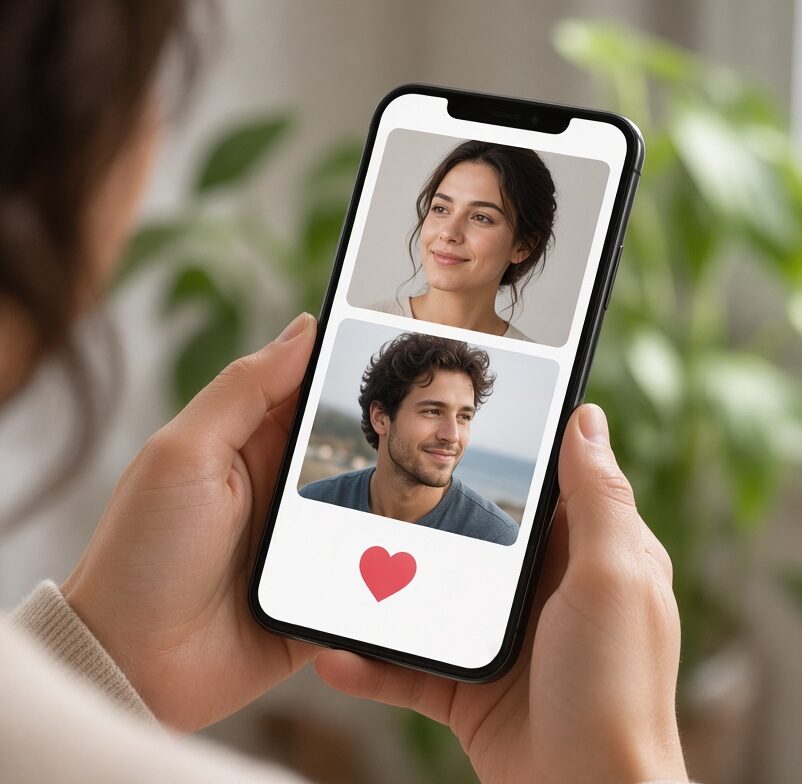
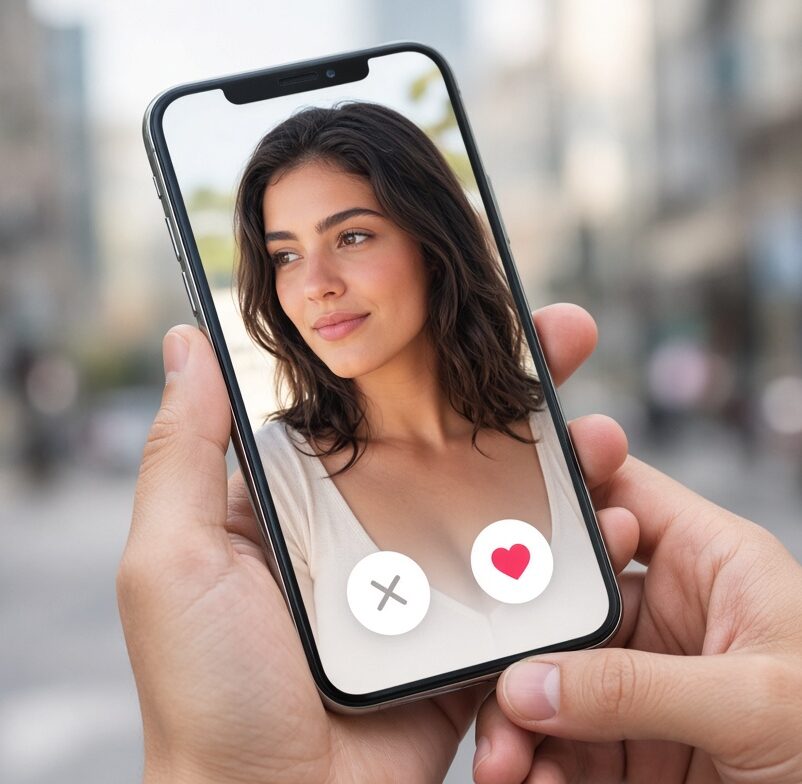
You match with someone. The photos are stunning. The messages are charming.
By clicking, you will remain on the same site.
Everything feels right, until you ask for a quick video call and they suddenly go quiet, make excuses, or vanish. If that sounds painfully familiar, there is one feature that would have saved you the trouble from the start: verification.
In 2026, verified dating apps are no longer a nice extra. They are the dividing line between platforms you can trust and platforms crawling with fake profiles. Once you understand why, you will never look at an unverified app the same way again.
What “Verified” Really Means
Verification is the app’s way of proving a user is a real person. It usually works in one of a few ways:
- Photo or selfie verification. The user takes a live selfie in a set pose, and the app matches it against their profile pictures to confirm the photos are really them.
- ID verification. The user confirms their identity with an official document, handled privately and securely in the background.
- Age verification. The platform confirms the user is an adult, which keeps minors off the app entirely.
When you see a verified badge, it is a small symbol with a big meaning. It says this person took an extra step to prove they are genuine, and that alone filters out a huge chunk of bad actors.
Why It Became the Biggest Trust Signal
Dating app culture has shifted. For years, platforms reacted to problems after they happened, banning scammers only once users reported them. Now the smartest apps try to stop harm before it starts, and verification is the centerpiece.
The reason is simple. Scammers, catfish, and bots rely on hiding behind stolen or fake photos. The moment an app forces a live selfie match, that disguise stops working. Surveys keep showing the same thing: people overwhelmingly want tech companies to do more to keep fraudsters out, and verification is the most direct answer.
There is also a psychological payoff. When you see that a match has verified their identity, you relax a little. You feel safer starting a conversation. That trust is exactly what makes a connection possible in the first place.
How Verification Protects You in Real Life
Let us get practical. Here is what verification actually prevents:
- Catfishing. Someone using another person’s photos cannot pass a live selfie check.
- Romance scams. Fraudsters running fake accounts at scale avoid apps that demand verification, because it slows them down and exposes them.
- Location spoofing tricks. Combined with other tools, verification makes it harder for overseas scam operations to pose as locals.
- Wasted time. Even setting safety aside, verified profiles mean fewer dead-end chats with bots and more real conversations.
That last point matters more than people admit. Your time and emotional energy are limited. Verification helps you spend both on people who are actually there.
Think about how much a single bad match can cost you. Days of messaging, the hope you built up, and the sting when it turns out the person never existed. Now multiply that by every fake profile on an unverified app. Verification quietly removes most of that waste before it ever reaches you, which is why daters who switch to verification-first apps so often say the whole experience suddenly feels lighter and more real.
The Big Apps Are Finally Serious
The shift is visible across the major apps. Tinder, long criticized for fake profiles, now pushes verification much harder for new US accounts, requiring a face check that makes it tougher for scammers to slip through. Bumble and Hinge have built selfie verification into their safety systems, and relationship-focused platforms like eharmony pair verification with video features for an even more controlled environment.
The message is clear. The apps that want your trust are the ones proving their users are real, and they are competing to do it better each year.
How to Use Verification Wisely
Having verification available is only half the equation. Here is how to get the most from it:
- Verify your own profile. It takes a minute, and a verified badge makes genuine matches far more likely to trust and reply to you.
- Prioritize verified matches. Many apps let you filter for or highlight verified users. Use that feature.
- Be cautious with unverified profiles. It is not an automatic no, but it is a reason to move slowly and ask for a video call sooner.
- Pair it with a quick video chat. Verification plus a live call before meeting is about as safe as online dating gets.
What Verification Still Cannot Do
It is worth being honest. Verification confirms that a person is real and that their photos are genuinely them. It does not guarantee their intentions are good. A verified person can still be a poor match, or dishonest in other ways.
So treat verification as a powerful filter, not a free pass. Keep your other habits in place: stay on the app until you trust someone, never send money to a match, and meet in public the first few times. Verification clears the first and biggest hurdle, but your own judgment handles the rest.
Final Word
In 2026, the smartest move in online dating is to choose a verified app and stick to verified matches. It is the clearest, fastest way to cut out catfish, scammers, and bots, and it lets you focus your energy on real people who want the same thing you do.
By clicking, you will remain on the same site.