Anúncios
You want to discover how digital wallets are reshaping global payments. We will explain their functionalities, focusing on security, convenience, and advanced integration.
By reading this article, you will understand the basics of near-field communication (NFC), the role of smartphones and wearables, the storage of multiple payment methods, and the reasons digital wallets are becoming indispensable worldwide for both consumers and businesses.
1) The Rise of Digital Wallets and Their Core Principles
Digital wallets have revolutionized the way people handle transactions, enabling users to store multiple forms of payment—ranging from credit cards and debit cards to loyalty points and even cryptocurrency—in a single, digitally accessible interface. Instead of juggling physical plastic or searching for loose cash in your pocket, you can tap or scan from a smartphone, smartwatch, or other smart devices to complete a purchase. The result is a more streamlined and efficient payment process, particularly relevant in an age where contactless and mobile-centric experiences dominate the marketplace.
At their core, digital wallets rely on cutting-edge technology. Near-field communication (NFC) stands out as a major enabler for fast, secure, and contactless transactions. By simply waving or tapping your device at a compatible payment terminal, you initiate an encrypted transfer of payment data. This data is often tokenized, meaning the actual card numbers are replaced with tokens that hide your real financial information from merchants or potential eavesdroppers. Meanwhile, the software in digital wallets typically employs robust security protocols—such as biometric authentication or passcodes—to add further safeguards against unauthorized use.
Crucially, these wallets are not restricted to smartphones. Wearables, including smartwatches, rings, and even fitness bands, can incorporate contactless payment features. This multipurpose integration means you don’t necessarily need to carry a phone or a wallet for everyday tasks like buying a coffee or hopping onto public transportation. Each device is linked to your preferred funding source—like a credit card, bank account, or other forms of payment—and can be activated with a quick gesture or password.
• Tokenization offers layers of defense, ensuring that each transaction uses a randomized code rather than your actual card details.
• Biometric security (fingerprint or facial recognition) locks down unauthorized access to your wallet, so even if someone got hold of your phone, they’d struggle to make transactions.
• Real-time notifications inform you immediately of any transaction, letting you spot suspicious activity.
Such features carry broad implications for global commerce. Because each digital wallet can store multiple cards, it’s now easier to switch between different accounts or loyalty programs in seconds. Instead of swiping multiple physical cards, you simply tap your device, then choose which card to apply for that particular transaction. For consumers frequently crossing borders, this also translates into more convenient currency management, given that certain wallets can handle conversions or store multiple local currencies as needed.
Yet for all the convenience, digital wallets remain a relatively new concept to some people, particularly those in regions without widespread NFC acceptance. However, acceptance grows daily, fueled by surging smartphone usage, improved internet infrastructure, and an increasingly mobile consumer base. In many areas, merchants are phasing out older terminals, installing new POS systems that accept contactless payments from a wide variety of devices.
2) Practical Functionality Across Devices
Digital wallets aren’t limited to a single device category. While smartphones might claim the spotlight, other devices have emerged as equally viable platforms for mobile payments. Smartwatches are a prime example: raising your wrist to a payment terminal is not only convenient but also often faster than retrieving a phone from your pocket or bag. Fitness trackers, too, sometimes incorporate near-field payment capabilities for quick transactions.
Within the smartphone ecosystem itself, a robust digital wallet can store far more than just credit and debit cards. Many solutions enable you to add:
• Loyalty program cards (for groceries, airlines, hotels)
Anúncios
• Gift cards (redeemable via scans or NFC)
• Public transit passes (reducing the need to buy or refill physical tickets)
By condensing so many physical items into a single interface, you reduce clutter and lessen the risk of losing important cards. Moreover, retrieving information about a loyalty program or redeeming a coupon becomes straightforward—open the wallet, choose the card or code, and present it to the merchant.
Security also gets an upgrade. Physical wallets can be misplaced, stolen, or left behind, but a digital wallet protected by a passcode or biometric method is less likely to fall into the wrong hands. Even if your phone is lost, you can often remotely disable or wipe the device, cutting off any potential misuse. In some systems, you can also lock specific payments or freeze certain cards within the app, an extra measure that simply doesn’t exist in the physical realm.
Quick Tip:
If you plan on using your smartwatch for payments abroad, double-check that the region you’re visiting supports that payment network. Not all local terminals or merchants accept the same protocols, so it’s prudent to carry a backup method.
This comprehensive approach aligns well with the demands of modern lifestyles, where multitasking is the norm. Because so many aspects of daily life revolve around your phone—communication, scheduling, social media—it’s natural to add payments to the list. The convenience factor soars when you can step out the door with only a phone or watch, confident that you have everything needed to finalize purchases throughout the day.
3) Major Features: Contactless Payments, Card Storage, and App Integration
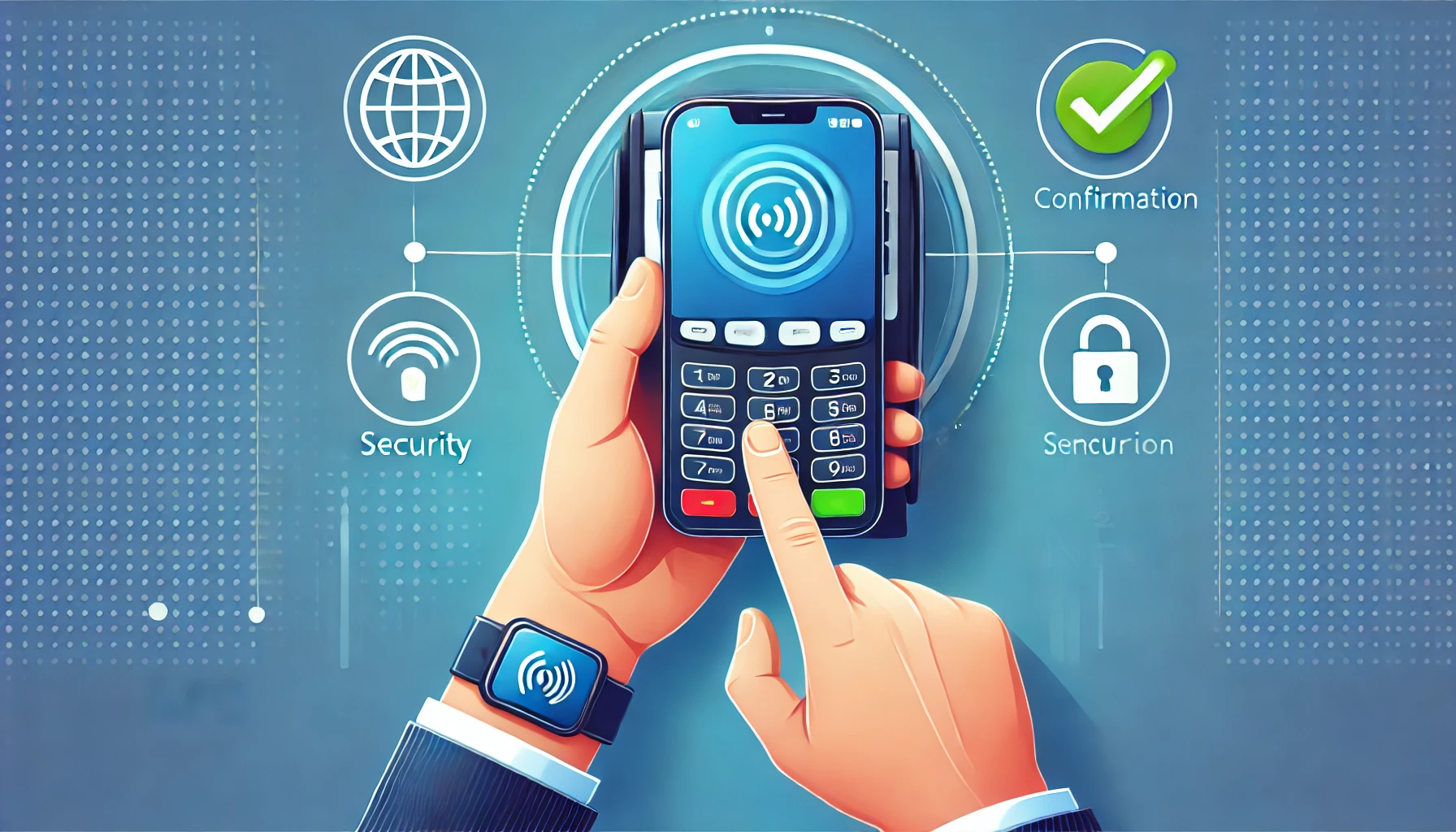
Contactless payments often steal the spotlight for their speed. A simple tap at the register can finalize a purchase in seconds, bypassing old routines of inserting a chip card or swiping a magnetic stripe. However, contactless alone doesn’t define the entire value proposition of digital wallets. The storing of multiple cards is equally critical. Rather than rummaging through a physical wallet to find the correct piece of plastic, you open your digital wallet interface and select the card you want to use. This is especially beneficial for individuals juggling corporate expense accounts, personal cards, or loyalty-based store cards.
Another key element is app integration. Many digital wallets join forces with shopping or travel apps to streamline the checkout process. You can pay for ride-hailing services, groceries, or online deliveries without having to manually input your card details each time. Some apps detect that your digital wallet is installed and automatically show a “pay now” button that completes the transaction in a single touch. This synergy extends to:
• Airline apps, where your wallet-stored mileage card merges flight check-in with miles accumulation.
• Food delivery services, letting you skip manual card entry and directly confirm payments.
• Event ticketing, ensuring that once you pick your seat, the payment is seamlessly deducted from your chosen account.
Quick Tip:
Always verify if your digital wallet supports advanced security like device-level encryption or token-based transactions. This ensures each purchase is authorized by a unique, per-transaction code.
Moreover, many wallets incorporate push notifications so you can track spending instantly. If you’re buying a coffee or booking a hotel in another country, you’re immediately alerted to the exact charge. This fosters an environment where suspicious transactions are detected early, giving you time to block or dispute them if needed.
These features combine to produce a robust ecosystem that goes well beyond convenience. They impact loyalty, security, and even marketing. Some retailers push real-time coupons or discounts if they detect you’re near a store and have the brand’s loyalty card in your digital wallet. In such a scenario, a smartphone or smartwatch effectively becomes an extension of your personal finance toolkit, bridging daily life with the payment world in real time.
4) Comparative Chart: Leading Digital Wallets
Below is a summarized chart comparing four major wallet options in global usage. Note that availability, fees, and features can vary based on region.
| Feature | Apple Pay | Google Pay | Samsung Pay | Generic Wallet Apps (Others) |
|---|---|---|---|---|
| Device Integration | Tightly integrates with iPhones, iPads, Apple Watch | Works with Android devices (phones, some watches) | Primarily for Samsung phones, some watches | Varies, some are cross-platform |
| Payment Network | Accepts major cards; uses tokenization | Accepts multiple cards; also uses token-based system | Accepts major cards; support for MST in some models | Depends on the issuer or brand |
| Security Measures | Biometric (Face ID, Touch ID), device-level encryption | Biometric (fingerprint, face), PIN, encryption | Biometric + MST fallback, device encryption | Depends on the app; some have robust encryption |
| Unique Perks | Syncs well with Apple ecosystem (watch, phone, Mac) | Integrates with Google ecosystem & certain loyalty programs | MST tech for older terminals + NFC contactless | Some offer brand-specific rewards or store loyalty links |
Quick Tip:
Before you opt for a wallet, confirm your device’s compatibility and see if your preferred credit cards are accepted. Some banks or networks might not participate in certain wallets. You might also want to check for geographic restrictions, ensuring the wallet functions in your region or in the areas you plan to travel.
5) Three Real-Life Testimonials
Amina from Kenya
“I initially doubted whether digital wallets could really simplify my daily routine. Living in Kenya, we already have a strong culture of mobile money transfers, but I wanted a more universal solution that I could also use when traveling. After some research, I downloaded a digital wallet app that promised near-field communication (NFC) for in-person transactions and secure tokenization for online purchases. To my surprise, it worked smoothly in Nairobi’s cafés and shops that have modern POS terminals. Even smaller vendors, once they got used to the idea of scanning a quick code or letting me tap my phone, embraced this new payment method.
The wallet also saved me time when sending money to relatives upcountry—no more waiting at physical booths. Another highlight was that I tied my loyalty programs from grocery chains and even an airline app directly into the wallet, so each purchase automatically registered points. Now, I only carry a small amount of cash for emergencies, relying mostly on my phone for payments. It’s amazing how quickly I adapted to a device-based platform that merges convenience and security so seamlessly.”
Catalina from Colombia
“I live in a busy part of Colombia where mobile payments and digital innovations are starting to expand, but many people still favor cash. Intrigued by the possibility of streamlining my finances, I tried a well-known digital wallet that integrates with my favorite grocery store app. At first, it felt strange not to pull out physical bills. However, after using it at a local market that allowed contactless taps, I saw how quickly the transaction went through—no waiting for change, no rummaging through my purse.
The same wallet also let me link my bank account and a major credit card, so whether I want to pay from stored funds or from a credit line, I can switch at the checkout screen. Thanks to real-time notifications, I immediately see any transaction pop up on my phone, which reassures me if I suspect any fraudulent activity. I also discovered that some shops offer slight discounts or freebies for contactless users, which was a fun bonus. Now, my friends can’t believe I rarely use physical money, but I find it safer and easier in every way.”
Minjun from South Korea
“People in South Korea are quite tech-savvy, so I’d already been using contactless cards. But discovering a digital wallet that integrates all my payment methods—cards, vouchers, public transit pass—was a game-changer. One of the best perks has been not needing my physical wallet every day. I simply raise my phone (or watch) to the turnstile on the subway, then use the same wallet at the office cafeteria for lunch. Another aspect that impresses me is the synergy with e-commerce platforms: whenever I buy items from an online marketplace, the checkout is nearly instant because my shipping address and billing details are already synced.
Also, the built-in biometric locks make me feel safer than if I carried actual cards that anyone could use if lost. My wallet app’s real-time currency exchange proved useful too when I visited Japan—I didn’t have to wrestle with separate converter apps or guess the best day to swap currencies. Overall, I believe digital wallets exemplify how quickly technology is reshaping daily transactions, making life more convenient and secure.”
6) Statistics on Digital Wallet Usage
Global Adoption:
A variety of international surveys suggest that over 45% of smartphone owners worldwide have tried at least one digital wallet service. In certain regions, usage surpasses 65%, reflecting consumer preference for contactless, app-driven payments.
Transaction Speed Increase:
According to some payment processor data, contactless payments can reduce checkout times by up to 40%, especially during peak hours. This efficiency is significant for large retailers serving thousands of consumers daily.
Lower Fraud Rates with Tokenization:
Multiple studies indicate that token-based transactions see up to 70% fewer fraudulent activities than card-present, magnetic-stripe transactions. The masked nature of tokenized data makes it harder for hackers to intercept real card numbers.
Future Growth:
Analysts project digital wallet volumes could triple in the next five years as more merchants invest in NFC-enabled terminals. Meanwhile, consumer trust rises as biometrics and advanced authentication methods gain traction.
Cross-Platform Usage:
Surveys show that many consumers switch between multiple wallets or cross-ecosystem solutions, especially if they own devices from different brands. This highlights a need for interoperability and uniform acceptance.
Quick Tip:
Keep up with market reports from leading consulting firms. Observing growth trends in usage and merchant acceptance can guide your decision on which wallet brand or platform is likely to expand acceptance in your region.
Frequently Asked Questions (FAQs)
Q1. Are digital wallets really safer than using a physical card?
Yes, many digital wallets use advanced encryption, tokenization, and biometric locks, making them safer in various cases. Even if your phone is lost, unauthorized transactions are less likely if robust security measures (like fingerprint or facial recognition) are enabled. By contrast, if someone steals your physical card, they may attempt purchases more easily, especially for lower-value items not requiring a PIN.
Q2. Can I use digital wallets without NFC-enabled terminals around me?
While NFC is a common means for contactless payment, certain digital wallets generate scannable QR codes or support other forms of checkout. However, the smoothest and fastest experiences generally come from contactless. If your region’s merchants predominantly run older terminals, you may face limited acceptance. Some wallets, though, integrate with online purchase flows, letting you use stored card credentials for e-commerce.
Q3. Do I need an internet connection every time I pay with my phone or watch?
In most setups, you do not need to be online for the transaction itself. The digital wallet typically stores payment tokens offline, allowing you to pay even in areas without cell service. An internet connection may be required to sync your latest transaction history or confirm new card details, but brief disconnections typically don’t halt offline tap payments.
Q4. What happens if the merchant’s terminal charges me in my home currency instead of the local one?
This phenomenon is known as dynamic currency conversion (DCC). Usually, the merchant’s conversion rate includes an added markup, making your final bill higher. You can politely ask to be charged in the local currency, allowing your own wallet or card to handle the conversion, typically at a more favorable rate. If you see that you’ve been charged via DCC inadvertently, keep the receipts and consult your credit card issuer to see if reversing or adjusting the rate is possible.
Related Topics
• Digital Wallets
• NFC Payments
• Tokenization Technology
• Mobile Payment Apps
• Biometric Security