Anúncios
In today’s digital era, choosing the right loan provider is more important than ever.
Whether you are planning to finance a new car, consolidate your debt, or invest in your home, the decision between approaching traditional banks or leveraging modern fintech lenders can significantly affect your overall financial health.
In Denmark—a country known for its advanced digital infrastructure and transparent financial system—the debate between traditional banks and fintechs is particularly relevant.
For many Danish consumers, the loan process has evolved from long, paperwork‑intensive procedures to quick, seamless online applications. Yet, despite the convenience offered by fintechs, traditional banks still command significant trust due to their long-standing reputations, robust customer service, and regulated operations. This article provides an in‑depth comparison of the two channels, addressing the most common consumer questions, analyzing key factors such as interest rates, approval speed, and overall security, and ultimately offering recommendations tailored to the Danish market.
Consumers often ask questions like: “Which option offers a better interest rate?”, “Is the online loan process secure?”, or “How quickly can I get approved?” In answering these queries, this article will not only highlight the advantages and disadvantages of each lending channel but also offer practical tips for choosing the loan product that best suits your needs.
As we delve into the world of loans in Denmark, we will explore how each provider functions, the typical costs involved, and the steps you can take to maximize your benefits. With a focus on transparency and clarity, our goal is to empower you to make an informed decision that aligns with your financial goals. Whether you prefer the personal touch of a well‑established bank or the rapid efficiency of a fintech startup, understanding the nuances behind each option is essential.
Over the following sections, we will:
• Examine the loan landscape in Denmark, highlighting how traditional banks and fintechs operate.
Anúncios
• Compare key factors such as agility, bureaucracy, interest rates, and security.
• Offer practical case studies, examples, and expert recommendations to help you decide which channel best meets your requirements.
• Conclude with actionable insights that you can use as you navigate the competitive lending market in Denmark.
By the end of this article, you will have a clearer picture of the evolving credit market in Denmark and be better equipped to choose the loan option that truly works for you. Let’s dive into the detailed comparison between traditional banks and fintech lenders and discover which one comes out on top.
2. Understanding the Loan Landscape: Traditional Banks and Fintech Lenders
2.1 The Traditional Bank Model
Traditional banks have been the cornerstone of financial services in Denmark for decades. These institutions—such as Danske Bank, Nordea, and Jyske Bank—offer a wide range of financial products, including various loan types. Their long‑standing presence provides a level of trust that many consumers appreciate.
2.1.1 How Traditional Banks Operate
Traditional banks follow well‑established protocols and use comprehensive credit evaluations to assess loan applications. This often involves a detailed review of the applicant’s credit history, income stability, and overall financial standing. Although this process is thorough, it can be time‑consuming and sometimes involves a degree of bureaucracy. However, the benefit is clear: with regulated practices and personal customer service, the consumer enjoys a secure and stable process.
Banks tend to offer multiple loan products, such as:
• Personal loans for emergencies or debt consolidation.
• Mortgage loans for home buying or refinancing.
• Auto loans for vehicle purchases.
Each product comes with detailed terms, including fixed or variable interest rates, repayment periods, and specific fees. In Denmark, the transparency mandated by local regulators means that banks must clearly disclose all costs. This reassures consumers who are cautious about hidden fees and unexpected charges.
2.1.2 Advantages and Drawbacks
Advantages:
• Trust and Credibility: With decades of experience and strong regulatory oversight, traditional banks offer an aura of reliability.
• Personalized Service: Many banks provide face‑to‑face consultations, enabling tailored advice and relationship‑based lending.
• Comprehensive Products: Consumers can often bundle services (e.g., checking, savings, and loans) in one institution, simplifying financial management.
Drawbacks:
• Bureaucracy: The loan application process can be lengthy due to extensive documentation and rigorous approval procedures.
• Less Flexibility: Some traditional institutions may be slower to innovate and update their processes, making it challenging for customers who desire quick digital interactions.
• Higher Operational Costs: These may sometimes be passed on to the customer in the form of fees or less competitive interest rates.
2.2 The Fintech Revolution in Denmark
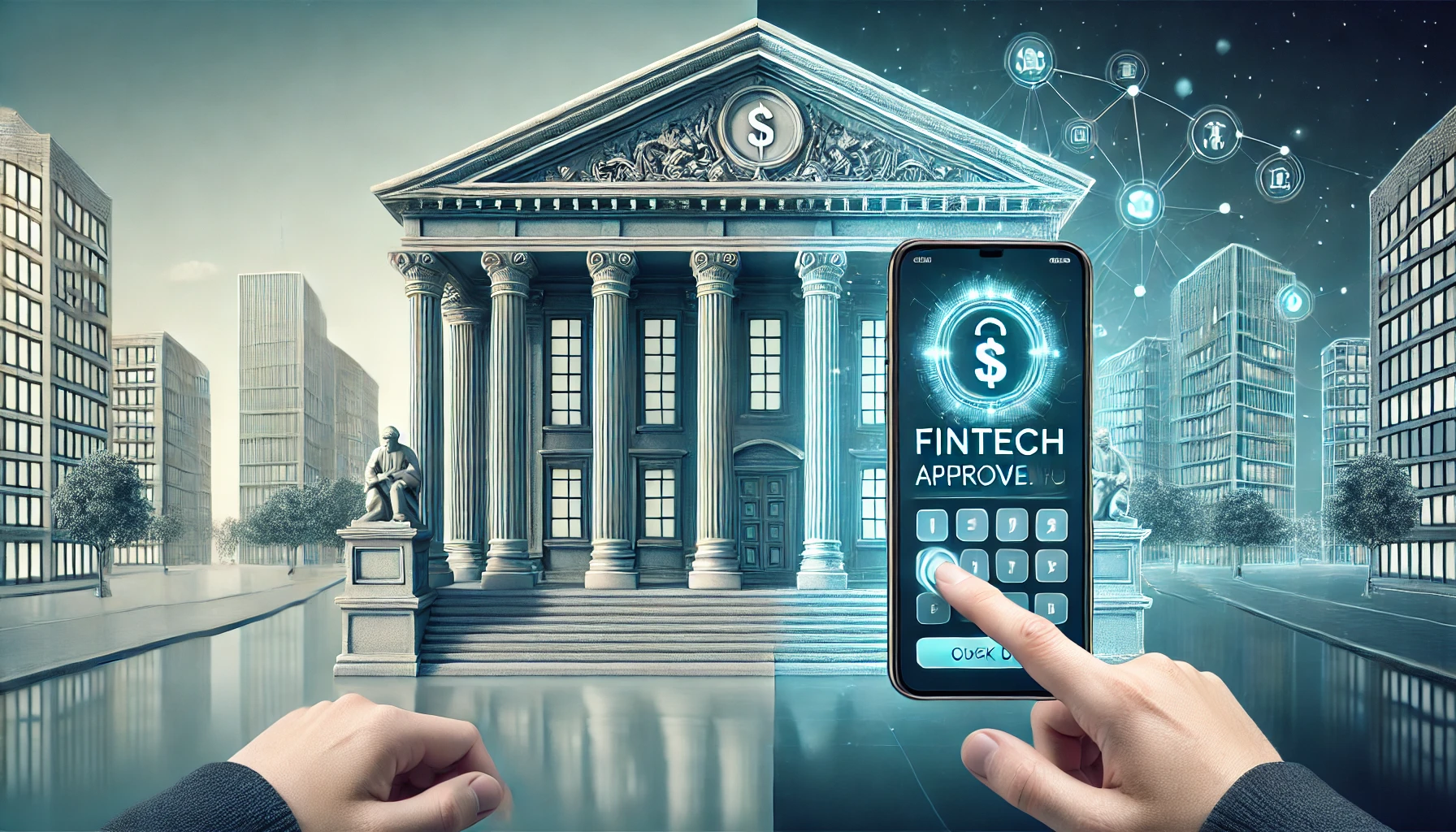
In contrast, fintech lenders have disrupted the traditional lending landscape with innovative, digital-first approaches. Companies like Lunar and other emerging startups have rapidly gained popularity by offering loans through streamlined, online platforms.
2.2.1 How Fintechs Operate
Fintech lenders leverage advanced algorithms, artificial intelligence, and big data analytics to process loan applications quickly and efficiently. Their platforms allow consumers to apply for a loan entirely online, often receiving a decision within minutes. This speed and efficiency are especially appealing to younger, tech‑savvy borrowers who are accustomed to managing their finances on smartphones and computers.
Key features of fintech loan applications include:
• Minimal Paperwork: Digital forms and instant data verification reduce the time and effort required to apply.
• Automated Credit Scoring: Fintechs use alternative data sources—such as transaction histories and digital footprints—to assess creditworthiness, which can be particularly beneficial for those with limited credit history.
• User-Friendly Interfaces: Intuitive designs and clear instructions help borrowers navigate the process with ease.
2.2.2 Advantages and Drawbacks
Advantages:
• Speed and Convenience: The digital process is fast—often within minutes—and accessible 24/7, meeting the demands of modern consumers.
• Lower Operational Costs: With a leaner structure, fintechs may offer more competitive interest rates and reduced fees.
• Innovation and Flexibility: Fintech platforms frequently update their offerings based on customer feedback, leading to innovative products that cater to evolving consumer needs.
Drawbacks:
• Trust and Security Concerns: As newer players, fintechs sometimes struggle to establish the same level of trust as traditional banks, despite rigorous security measures.
• Limited Personal Interaction: The entirely digital process may leave some borrowers feeling disconnected or uncertain if they require personal advice.
• Regulatory Challenges: While Denmark’s regulatory environment is supportive of innovation, fintechs must continuously adapt to comply with stringent standards, which can sometimes affect service continuity.
2.3 Practical Examples and Recommendations
Consider a scenario in which a young professional in Copenhagen seeks a personal loan for a home renovation. If they approach a traditional bank, they might benefit from personalized advice and a secure, though lengthier, application process. Conversely, a fintech lender could provide a faster decision through its mobile app, using alternative data for credit scoring—ideal for someone who needs quick funds and is comfortable with digital banking.
Recommendations for Consumers:
• Assess Your Priorities:
If trust, face‑to‑face service, and a comprehensive product suite are critical, a traditional bank might be the better choice. However, if speed, convenience, and competitive digital offerings are more important, then exploring fintech options could be advantageous.
• Compare Offers:
Utilize online comparison tools to evaluate rates, fees, and terms from both traditional banks and fintech lenders.
• Read Reviews and Testimonials:
Investigate the experiences of other consumers to gauge the reliability and customer service of the institution.
By understanding the distinct operating models and value propositions of traditional banks and fintechs, Danish consumers can better navigate the loan market and make informed decisions that suit their financial goals.
3. Comparing Key Factors: Agility, Bureaucracy, Interest Rates, and Security
Agility in the loan process is one of the foremost concerns for many borrowers. In Denmark’s fast‑paced environment, speed is crucial—especially when unexpected financial needs arise.
3.1.1 Traditional Banks’ Approach
Traditional banks, while renowned for their stability, often have more bureaucratic processes. The standard procedure involves multiple steps: collecting extensive documentation, in‑person consultations, and manual reviews by credit officers. This means that loan approvals can take several days or even weeks. However, the trade‑off is a high level of due diligence, which many consumers appreciate for its thoroughness.
3.1.2 Fintech Lenders’ Approach
Fintech companies, on the other hand, are built on speed and efficiency. Their platforms utilize automated algorithms to analyze creditworthiness in real time, often delivering an approval decision within minutes. This rapid response can be particularly beneficial when time is of the essence. For consumers who need immediate cash or prefer a fully digital experience, fintech lenders provide a significant advantage. Example: A Danish freelancer facing an unexpected expense may opt for a fintech loan that offers near‑instant approval via a smartphone app.
3.2 Bureaucracy and Documentation
The level of bureaucracy involved in applying for a loan can be a deciding factor for many.
3.2.1 Traditional Banks: Detailed and Paper‑Intensive
Traditional banks typically require comprehensive documentation—proof of income, employment verification, detailed personal identification, and sometimes collateral documentation. This rigorous process ensures that every loan is backed by a thorough evaluation, which minimizes risk for the bank. However, for consumers, the downside is that the application process can feel cumbersome and time‑consuming.
3.2.2 Fintech Lenders: Streamlined and User‑Friendly
Fintech platforms aim to eliminate unnecessary hurdles. By using digital forms and automated data collection, these lenders significantly reduce the need for manual paperwork. In many cases, the application is completed entirely online, and data can be pulled from integrated systems (such as national registries or bank APIs), speeding up the process and reducing friction for the user.
3.3 Interest Rates and Costs
Interest rates are a key factor in determining the long‑term cost of a loan. In Denmark, where transparency is mandated by strict regulations, both traditional banks and fintech lenders are required to disclose all fees and rates clearly.
3.3.1 How Traditional Banks Set Rates
Traditional banks base their interest rates on long‑term financial models, risk assessments, and broader economic factors. They often offer both fixed and variable rate loans, allowing borrowers to choose based on their risk tolerance and market predictions. While the stability of traditional banks can lead to competitive rates, the cost of their extensive processes sometimes means that the final rates may be marginally higher.
3.3.2 Fintech Lenders and Competitive Pricing
Fintech companies often leverage their lower operational costs to offer more competitive rates. Additionally, by using alternative credit scoring methods, they can sometimes extend credit to borrowers who might not qualify under traditional models—albeit sometimes at slightly higher rates to account for the increased risk. Tip: Always compare the annual percentage rate (APR) rather than just the nominal interest rate. This provides a fuller picture of the total cost, including fees and other charges.
3.4 Security and Data Protection
In a world where data breaches are not uncommon, security is paramount—especially when financial information is involved.
3.4.1 Security Protocols in Traditional Banks
Traditional banks in Denmark are subject to strict regulatory frameworks and are known for their robust security measures. They invest heavily in cybersecurity infrastructure, and their systems are regularly audited to ensure compliance with national and international standards. This high level of security builds consumer trust and reinforces the reliability of traditional lending channels.
3.4.2 Fintech Lenders: Balancing Innovation with Security
Although fintech lenders often push the boundaries with innovative solutions, they are equally mindful of security. Many fintech platforms operate under strict data protection regulations (such as Denmark’s implementation of GDPR) and use advanced encryption techniques and multi‑factor authentication to safeguard user data. However, because they are newer entrants in the market, some consumers may initially harbor concerns about the safety of a fully digital process. Recommendation: Look for fintech providers that are transparent about their security practices and have received certifications or independent audits to validate their measures.
3.5 Comparative Analysis and Case Studies
To illustrate these differences, consider the following case studies:
• Case Study 1:
A young professional in Aarhus requires a personal loan to finance a home office setup. They compare offers from a traditional bank and a fintech lender. The traditional bank offers a stable rate and personalized service but requires an in‑person visit and several days for approval. The fintech lender, on the other hand, provides an application process through a mobile app with an instant decision. In this case, the speed and convenience of the fintech option prove more appealing, especially since the borrower is comfortable with digital services.
• Case Study 2:
A family in Copenhagen is looking to refinance their mortgage. They lean toward a traditional bank due to the high stakes involved in real estate financing. The bank’s comprehensive evaluation process, despite being longer, gives the family the confidence that every detail has been meticulously reviewed. The peace of mind that comes with this method outweighs the allure of a quicker, but less personal, fintech process.
By examining these factors—agility, bureaucracy, interest rates, and security—consumers can tailor their loan choices to their individual needs. For those who value quick turnaround times and digital convenience, fintech lenders are an excellent choice. For consumers who prioritize a personal touch and the reassurance of an established institution, traditional banks remain a compelling option.
4. Case Studies and Practical Recommendations
4.1 Real‑World Examples from the Danish Market
In the Danish lending landscape, several practical examples illustrate how borrowers benefit from both traditional banks and fintech lenders. These examples highlight the strengths and weaknesses of each channel, providing a real‑world context that can help you make an informed decision.
4.1.1 Example: Quick Financing for Emergencies
Consider the case of a freelance consultant in Odense who encountered an unexpected medical expense. Turning to a fintech lender, they completed a fully digital application on their smartphone. Within minutes, they received approval and funds were deposited into their account. The speed of the fintech process was critical here, underscoring the importance of agility when immediate financial needs arise.
4.1.2 Example: Long‑Term Stability for Home Financing
In contrast, a couple in Copenhagen decided to refinance their home mortgage to take advantage of better interest rates. They opted for a traditional bank due to the complexity of mortgage financing. Despite the longer approval process, the bank’s comprehensive approach and personalized advisory service provided them with tailored terms that offered long‑term stability. This scenario shows that for large, high‑value loans, the thoroughness of traditional banks can be invaluable.
4.1.3 Example: The Role of Comparison Tools
Many Danish consumers now use online comparison tools to review loan offers from multiple providers simultaneously. These platforms allow users to filter offers based on interest rates, fees, and other terms. Whether the offers come from a traditional bank or a fintech lender, the ability to compare in a single interface empowers consumers to make more informed decisions. This trend has also pushed both types of lenders to maintain competitive and transparent pricing.
Table Comparative
| Criteria | Traditional Banks | Fintech Lenders |
|---|---|---|
| Application Speed | Slower due to extensive processes and bureaucracy | Rapid, automated online approval process |
| Documentation & Bureaucracy | Requires comprehensive documentation and in‑person procedures | Minimal paperwork with streamlined digital verification |
| Interest Rates & Costs | Stable rates but sometimes higher due to operational costs | Often competitive rates; lower overheads can mean lower fees but may include risk premiums |
| Customer Service | Personalized, face‑to‑face advisory and support | Digital support with user‑friendly interfaces and chatbots |
| Security & Trust | Highly secure and regulated with a long‑standing reputation | Advanced encryption and strict data protection compliance (e.g., GDPR) |
| Product Range | Wide variety of financial products and bundled services | Focused on quick, convenient loans with innovative features |
Explanation of the Table
This table provides a concise comparison of Traditional Banks and Fintech Lenders based on several critical criteria that influence the consumer’s decision when choosing a loan provider in Denmark. The Criteria column lists the key factors considered—such as application speed, documentation requirements, interest rates, customer service, security, and product range. The following two columns detail how each option performs on these factors:
• Traditional Banks tend to offer more comprehensive and personalized services with a strong reputation, but they often involve more bureaucracy and slower processing times.
• Fintech Lenders stand out for their speed and convenience, thanks to digital, automated processes, though they may lack the personal touch and long‑term stability of established banks.
4.2 Recommendations for Choosing the Right Loan Provider
Based on the comparisons and examples discussed, here are some actionable recommendations for Danish consumers:
4.2.1 Evaluate Your Priorities
• Urgency vs. Stability:
If you need cash quickly—for example, for an emergency or short‑term need—fintech lenders are typically the best option due to their fast approval processes.
If you are planning a long‑term financial commitment, such as a mortgage or car loan, the stability and personalized service of a traditional bank may be more appropriate.
4.2.2 Research and Compare Offers
• Use Comparison Platforms:
Utilize online tools to compare loan offers from both traditional banks and fintech lenders. Look at the APR, fees, repayment terms, and any hidden costs to get a comprehensive view of each offer.
• Read Customer Reviews:
Explore consumer feedback to gauge satisfaction levels and real‑world performance. Reviews can provide insights into customer service quality and the overall user experience.
4.2.3 Understand the Application Process
• Documentation Requirements:
Familiarize yourself with what is required for each type of lender. Traditional banks might request more documentation, whereas fintechs streamline the process through digital verification.
• Time to Approval:
Consider how quickly you need access to funds. Fintechs often provide near‑instant approvals, while banks might require several days. Choose the channel that aligns with your time sensitivity.
4.2.4 Prioritize Security
• Check Security Certifications:
Whether you choose a traditional bank or a fintech lender, ensure that the institution adheres to the highest security standards. Look for information on encryption protocols, multi‑factor authentication, and compliance with regulations such as GDPR.
• Verify Data Protection Policies:
Read through the privacy and data protection policies of the provider. Understanding how your data is used and protected can enhance your overall comfort with the loan process.
4.3 Practical Steps to Apply for a Loan in Denmark
Below are practical steps and tips for applying for a loan, regardless of whether you choose a traditional bank or a fintech lender:
4.3.1 Prepare Your Documentation
• Gather Necessary Documents:
Typically, you will need proof of income, identification, and employment verification. Traditional banks may require additional paperwork such as bank statements or collateral documentation.
• Maintain an Updated Credit Profile:
Ensure that your credit report is accurate and up to date. This will help you get the best possible terms from your lender.
4.3.2 Utilize Digital Tools
• Apply Online:
Most lenders now offer a fully digital application process. Take advantage of this by applying via mobile apps or websites for faster processing.
• Use Calculators and Simulators:
Online loan calculators can help you understand potential monthly payments and total costs based on different interest rates and repayment periods.
4.3.3 Compare and Negotiate
• Review Multiple Offers:
Do not settle for the first offer you receive. Use comparison sites and contact multiple lenders to negotiate better terms.
• Ask Questions:
Whether you are dealing with a bank or a fintech, do not hesitate to ask about fees, penalties for early repayment, or any conditions that might affect your loan.
4.4 Comparative Analysis: Advantages and Disadvantages
Finally, let’s summarize the comparative analysis between traditional banks and fintech lenders regarding key factors:
4.4.1 Advantages of Traditional Banks
• Proven Track Record:
Long‑standing institutions with a history of reliable service.
• Comprehensive Product Range:
A wide variety of financial products under one roof.
• Personalized Service:
Face‑to‑face consultations and tailored financial advice.
4.4.2 Disadvantages of Traditional Banks
• Slower Processes:
More bureaucracy and longer approval times.
• Higher Operational Costs:
Sometimes reflected in slightly higher fees or less flexible terms.
4.4.3 Advantages of Fintech Lenders
• Speed and Efficiency:
Rapid approval processes and minimal paperwork.
• Competitive Pricing:
Lower overhead costs can lead to more attractive rates.
• User‑Friendly Digital Experience:
Seamless applications and innovative interfaces that appeal to tech‑savvy consumers.
4.4.4 Disadvantages of Fintech Lenders
• Limited Personal Interaction:
Fully digital processes may lack the personal touch some borrowers value.
• Trust and Security Concerns:
As newer market entrants, some fintechs may initially be met with skepticism despite robust security measures.
By carefully weighing these factors and considering your own financial needs, you can determine which channel—traditional banks or fintech lenders—offers the best loan solution for you.
6. FAQs
Q1: What is the main difference between traditional banks and fintech lenders?
A: Traditional banks rely on established, face‑to‑face processes with extensive documentation and personal service, whereas fintech lenders offer a fully digital, streamlined experience with faster approval times and often lower operational costs.
Q2: How do interest rates typically compare between the two?
A: Fintech lenders may offer more competitive rates due to lower overheads, but traditional banks may provide more stable and fixed rates for long‑term loans. It’s important to compare the APR and fees on both sides.
Q3: Is it safe to apply for a loan online through fintech platforms?
A: Yes, reputable fintech lenders in Denmark adhere to strict security standards and comply with regulations such as GDPR. Always check for security certifications and read the provider’s data protection policies.
Q4: Which loan option is faster in terms of approval and fund disbursement?
A: Fintech lenders typically offer near‑instant approval and rapid fund disbursement, making them ideal for urgent financial needs. Traditional banks may take several days due to their more thorough review process.
Q5: How can I decide which option is best for my needs?
A: Consider your financial priorities. If you value speed and convenience, a fintech lender might be preferable. However, if you need a comprehensive service with personalized advice for long‑term commitments, a traditional bank could be the better choice. Use online comparison tools and read reviews to help make an informed decision.
Choosing between traditional banks and fintech lenders is not a one‑size‑fits‑all decision. In Denmark, both options offer compelling advantages. Traditional banks continue to deliver reliability, comprehensive financial services, and personalized customer support. Their thorough processes and longstanding reputations provide peace of mind, particularly for long‑term, high‑value loans such as mortgages or auto financing. On the other hand, fintech lenders are reshaping the lending landscape with their agile, fully digital platforms that appeal especially to those who value speed, convenience, and innovative technology.
In this article, we explored the distinct operating models of traditional banks versus fintechs, comparing factors like application speed, bureaucracy, interest rates, and data security. We saw that fintechs often shine when it comes to efficiency and lower operational costs, while traditional banks excel in building trust and providing a comprehensive range of products. By examining real‑world examples from the Danish market, we highlighted that the right choice depends on individual needs—whether you require quick access to funds or prefer the stability and personalized service of an established institution.
For consumers, the key takeaway is to assess your own priorities: if rapid processing and a streamlined digital experience are most important, fintech lenders may be the way to go. Conversely, if you seek a more hands‑on approach with the reassurance of robust customer service and detailed financial advice, traditional banks remain a sound choice. Furthermore, using online comparison tools and reading customer reviews can help you understand the true cost of a loan, taking into account not only the APR but also fees, penalties, and overall flexibility.
Ultimately, the decision should be informed by a thorough evaluation of the loan’s terms, your financial situation, and your personal preferences. In Denmark’s highly digital and competitive financial market, both channels are continually evolving to meet consumer expectations. As technology advances, we can expect further convergence between traditional and digital lending solutions—each borrowing the best features of the other to offer more value to customers.
We encourage you to explore both options, ask detailed questions, and use the digital resources available to compare offers. Armed with the insights from this article, you can confidently navigate the Danish lending landscape and choose the loan option that best supports your financial goals.
By carefully considering the advantages and drawbacks of both traditional banks and fintech lenders—and aligning these with your personal needs—you can choose the loan option that truly works for you in Denmark’s advanced financial landscape.