Anúncios
Making quality friends as an adult feels much harder than it should. This is true even with many apps promising to help us connect instantly.
Often, swiping through profiles leads to small talk, being ignored, or plans that fall through. This leaves us feeling stuck as our week goes on.
A specialized social network for meeting people puts focus on shared interests and safety. It values real interactions over shallow online metrics that waste our time and energy.
This network uses event features and chat or video options. It helps you meet people ready to show up in real life, not just online.
If you’re looking to create an online community that becomes real-life friendships, this platform is for you. It’s made to help you connect with others today.
Here, we’re moving from superficial swipes to meaningful connections.
This approach uses tools designed to effortlessly take you from a first message to real-world meeting.
You can expect easy-to-follow steps and a user-friendly design. These features help you meet new people quickly.
It’s about less mindless scrolling and more about finding shared interests. It’s about creating safe, respectful spaces where real connections happen.
By the end of this, you’ll discover how an online community can lead to consistent, local friendships.
You will also learn what to look for in a social network designed for genuine, offline connections.
What This Social Platform Is and Who It’s For
This is a new social network for making real connections. It lets you discover others with similar interests and plan events to meet in person. It’s all about building deep relationships, moving past just swiping.
Designed for adults seeking platonic connections and online community
It’s a space for adults to make friends without the pressure of dating. Your profile showcases your values, humor, and hobbies to start conversations easily. You can connect over shared interests online, then have cozy group chats.
Anúncios
Anúncios
Ideal for newcomers to a city, remote workers, and hobby-driven users
Are you new in town and looking for friends? This platform helps you connect with people through interests and local events. Remote workers can find daytime meetups, beating loneliness. Hobby enthusiasts can start or join groups, making social plans regular.
Safe, moderated spaces for genuine conversation over vanity metrics
The platform is built on safety and trust. With human moderation and some checks, it keeps the environment friendly and safe. You’ll find meaningful discussions are rewarded over just getting likes. This makes it a better place to find friends online.
Comparable options show there’s a big need for friendship spaces: Bumble for Friends for making platonic matches, Timeleft for weekly dinners in cities worldwide, and Hey! Vina for women seeking friendship groups—each highlights the growing desire for structured, friendly community spaces.
Understanding the Concept: Old Way vs New Way
Old way: It involved one-to-one pressure, guessing profiles, and weak safety hints. Users often got stuck in quick judgments and brief chats on swipe-based apps. These apps made you keep scrolling, but real plans hardly ever took shape.
New way: It’s all about interest-first, event-based, and chat/video-first tools, focusing on deeper connections. These tools offer structured paths. They make meeting people on social media easier, with less hassle and more context. They guide users to find others with similar interests in relaxed settings.

Research from Pew Research Center and KeyUA shows that 95% of new dating app users leave within a month. Short chats don’t often lead to real-life meetings. On the other hand, Timeleft brings small groups together for dinners in cities worldwide, creating a regular meet-up rhythm. Meetup turns shared interests into real plans, while Discord and Twitch keep the networking vibe alive between events.
Video-first features are critical. Yubo’s live video checks help confirm who people are and reduce worries about meeting up. Articles from Vox have shown how Bumble for Friends, Timeleft, and Hey! Vina organize group dinners to ease the pressure, leading to more connections. This approach can lead to follow-up chats on WhatsApp. Meanwhile, swipe-based apps that favor quick choices and short chats often result in inconsistent responses.
| Dimension | Old Way | New Way | Real-World Example |
|---|---|---|---|
| Match Format | One-to-one, photo-led | Small groups, shared context | Timeleft weekly dinners |
| Safety & Verification | Minimal cues, user-led checks | Verification and moderation | Yubo live video identity |
| Engagement Loop | Endless scroll, dormant matches | Scheduled meetups, active threads | Meetup groups, community chats |
| Outcome Focus | Swipes and short chats | Offline plans and follow-on circles | Vox trial: group dinners → WhatsApp |
| Use Case | Casual swiping | Social platform for depth | Discord/Twitch virtual networking |
| Who Benefits | Solo browsers | People seeking to meet like-minded individuals | Remote workers, newcomers, hobbyists |
This change aims to create clear paths on social media for meeting people: interest-led groups, recurring events, and verified chat or video leading to plans. This way, social platforms can move past simple swipe-based apps. They can start to build real momentum.
Hooking Into the Loneliness Problem the Right Way
Loneliness is a big problem. It affects how people in America try to find friends. A good social network helps by making it easy to meet others, encouraging them to keep in touch, and rewarding honest interactions. Its goal? To help users find online friends who can become real-life buddies.
U.S. context: Nearly half unsatisfied with friend count in 2021; 30% felt lonely weekly in 2024 polls
After the pandemic, many people weren’t happy with their social circles. By 2024, a survey by the American Psychiatric Association showed that 30% felt lonely each week. This shows the need for social networks that help people make and keep friends online, and organize meet-ups in the real world.
Gen Z shift: Two-thirds report meeting a friend online (Bumble-commissioned 2023 survey)
For the younger crowd, making friends online is the norm. A survey from 2023 done by Bumble showed about two-thirds of Gen Z met a friend online. Using platforms like Bumble for Friends and Hey! Vina, people can meet others with similar interests and plan to get together. This proves online communities can create lasting friendships.
Why swipe apps stall: 95% of new users churn within a month; shallow chats don’t convert
Apps based on swiping tend to lose users fast. Data reveals about 95% of new users quit after a month due to shallow interactions. To make lasting friendships online, apps should focus on events that happen again and again, profiles that show what a person really values, and conversation starters that go beyond small talk.
Core Features That Differentiate This Social Platform
This platform is all about making real friends, not just scrolling. It’s a mix of finding new friends, getting into a routine, and building trust. This way, you can connect with others who share your interests, without the hassle. It turns online connections into real-life meetings.
Interest tags and groups to connect like-minded individuals fast
This site lets you find others with similar hobbies quickly. With tags for everything from “women who code” to those who love traveling, it’s easy. Apps like Hey! Vina, Meetup, Discord, and Twitch have shown us how groups focused on interests can help people bond quickly.
By combining tags with smart prompts for groups, meeting people with similar interests is straightforward. It takes away the awkwardness and adds purpose to your online socializing.
Event-based meetups that move chats into real life
Regular events help turn online chats into real-world plans. For example, Timeleft’s weekly dinners in various cities create a routine that makes meeting up easy. Groups often keep in touch with WhatsApp, simplifying making plans.
This approach transforms online meeting spaces into gateways for in-person socializing. As a result, people actually meet up instead of just talking online.
Chat-first and video options to reduce catfishing and small-talk fatigue
Chats lead the way here, with video options to help verify who you’re talking to. Yubo’s approach with live video rooms helps you see who’s a good match before swapping contacts. It keeps things safe and genuine.
Starting with chat helps cut through the boredom of small talk. It makes online networking more about genuine connections than putting on a show.
Safety, verification, and community moderation
Verification and active moderation build trust from the start. Communities like Communia ensure safety with human checks and focus on making women feel secure. This sets clear expectations for everyone.
Rules and tools for reporting bad behavior help maintain a positive environment. On a platform designed for real meetups, these safety measures encourage people to stick around and get involved.
| Feature | What It Does | Real-World Proof | Benefit for Users |
|---|---|---|---|
| Interest Tags & Groups | Surface shared hobbies and values fast | Hey! Vina tags; hobby-led rooms on Meetup, Discord, Twitch | Helps meet like-minded individuals without guesswork |
| Event-Based Meetups | Turns chats into routine IRL encounters | Timeleft weekly dinners; WhatsApp spin-off coordination | Less churn, more consistent follow-through |
| Chat-First & Video | Verify identity and reduce small-talk fatigue | Yubo live video as pre-meet filter | Faster rapport, lower catfishing risk |
| Safety & Moderation | Verification, human oversight, clear rules | Communia’s human-verified approach; women-centered safety norms | Trustworthy social media for meeting people and virtual networking |
Together, these features bring people from just talking online to creating real friendships. They blend discovery, routine, and trust in a unique way.
Workflow: From Sign-Up to Your First Real-World Hangout
Follow this guide to meet people on a social platform meant for real-life fun. It’s built to help you find friends online, cutting the need for endless swiping or stalled chats.
-
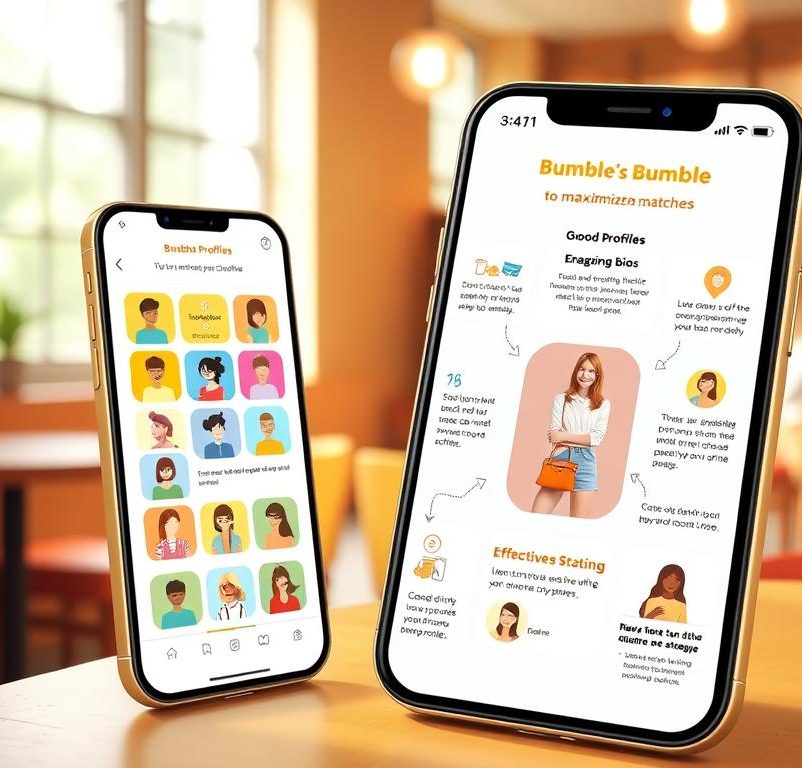
Make a profile with details. Include hobbies, where you live, and when you’re free. Look at Vox’s insights on successful Bumble BFF profiles for ideas to sound genuine and engaging.
-
Add tags that show what you like and join groups. Tags from Hey! Vina, Meetup, Discord, or Twitch make your interests clear. This way, you instantly connect with people who like the same things.
-
Answer questions about your personality and what you’re looking for. If available, respond to quizzes about how often you feel lonely or how much you value humor. Good answers lead to better matches on these platforms.
-
Chat with purpose and plan to talk for a short time. Skip pointless conversations. Offer a brief window to chat. If you can, start with a short video, similar to Yubo, to introduce yourself and feel more connected before meeting.
-
Quickly plan to attend an organized event. Sign up for a weekly dinner or a Meetup, or suggest coffee with a few people. This approach helps you make friends online comfortably.
-
Prefer meetings with groups to ease the stress of first-time meetups. Group activities, like dinners or coworking, make it easier to connect. Join WhatsApp groups after events, as Vox suggests, for ongoing communication.
-
Contact people again within a day or two. Suggest a specific activity, like a walk or a game night, to easily build a connection. Regular, easy meetups help grow trust.
-
Mix your social circles. After a fun event, connect with people on Discord or Twitch. Look out for new Meetup events. Being active on various platforms helps you meet more people and keep plans going.
Tip: Keep your messages brief, clear, and nice. This approach makes it simpler to make new friends and fill your calendar.
Key Options in Today’s Social Media for Meeting People
Today, we have many key options for meeting others online and creating lasting communities. Bumble for Friends has grown from BFF mode. It uses a dating-style interface to connect people. It’s popular among young adults and those new to a city. However, connections might fade if you don’t initiate, as noted by Vox.
Timeleft brings a unique approach by organizing weekly dinners in cities worldwide. It pairs guests based on short personality quizzes. Most who join are in their 30s and early 40s, and many are women. Group WhatsApp chats help keep the conversation going, making plans more likely to happen.
Hey! Vina caters to women, using interest tags to help members find quick matches. While its activity levels can vary, the niche focus makes it feel safer. Yubo adds safety through live video chat, ensuring everyone is who they say they are. This feature has been praised by Cosmopolitan. Meetup connects people to local events, and Discord and Twitch build communities around common interests like gaming and beauty.
Combining these platforms offers a variety of ways to meet and connect. Users can enjoy profile browsing on Bumble for Friends, shared meals through Timeleft, and special interest connections on Hey! Vina. Always-on chatting on Discord or Twitch keeps the conversation going. Such a mix helps online friendships turn into real-life experiences.

Efficiency: Data-Backed Reasons This Works Beyond Swiping
People look for a social platform that saves time but still feels genuine. By joining spaces designed for online networking that flows into real life, you meet people like you more quickly and smoothly. This means you’re more efficient without missing out on genuine, face-to-face connections.
Structured meetups change the math. You switch from endless scrolling to a clear journey: discovery, conversation, and sitting down together. This change simplifies following through, which is great for busy adults.
Churn and swipe fatigue: With 95% of new dating-app users leaving in a month, structured meetups matter
According to Pew Research Center data discussed by KeyUA, a sharp drop-off happens at the one-month mark. Swipe fatigue sets in, but scheduled group events encourage action. A social platform that moves from brief intros to planned events maintains interest and boosts efficiency.
Weekly cadence: Timeleft-style dinners create reliable, low-friction repetition
Timeleft brought us the idea of weekly dinners, say on Wednesdays, which makes planning simple. This predictability fosters habits, encouraging regular attendance and prompt follow-ups. Vox notes that such rhythms lead to ongoing group chats and more meetups.
Outcome focus: Two-thirds of Gen Z meeting friends online indicates platform readiness
A recent Bumble survey shows two-thirds of Gen Z have made friends online. This shows they’re ready for platforms aimed at making friends. It proves people are open to new ways that make it quicker and clearer to meet like-minded friends.
Depth over volume: Research suggests ~200 hours to forge close friendship—group events accelerate touchpoints
Vox shares studies suggesting it takes about 200 hours to form a close friendship. Group events pack many interactions into one evening. Activities, easy questions, and changing seats make things more efficient, shortening the journey from casual chat to deep trust.
| Method | Primary Goal | User Effort | Retention Signal | Connection Depth |
|---|---|---|---|---|
| Endless Swiping | High-volume matches | Constant scrolling and filtering | High churn within a month | Shallow, sporadic chats |
| Weekly Group Dinners | Recurring real-life touchpoints | One RSVP plus light prep | Habit-driven attendance | Multiple quality interactions per session |
| Hybrid Virtual Networking + IRL | Fast introductions, quick meetups | Short video intro, scheduled event | Chat-to-meet conversion rises | Shared context accelerates trust |
Product Experience: What It Feels Like to Use
Using this product changes how we interact online. It moves us from quickly saying hello to making actual plans smoothly. It’s like being part of a digital community where meeting folks is easy, not a game of chasing.
The flow starts simple: a quick profile setup, followed by a prompt, and then a straightforward way to meet new friends. You go from just talking to actually planning meet-ups, thanks to clear hints like dates and places.

From dormant chats to scheduled dinners: Lowering the activation energy
Unlike swipe apps that often lead nowhere, setting up dinners helps make real plans. Timeleft made this idea famous, turning wishes into plans. It’s simple to choose a time, confirm, and be there.
After saying yes, the app keeps you in the loop with reminders and details about the group. This setup gets you meeting new people quicker than back-and-forth messaging.
Group dynamics that reduce first-meet pressure
Meeting in groups changes everything. With six to eight people, you’re not the center of attention, making chatting natural. You get to try different conversation topics and decide who you might want to meet again.
Later, smaller groups might form in WhatsApp or Discord to hang out again. This feels more enduring and social than just a single meet-up.
Profiles that highlight values, humor, and interests—not just photos
Prompts from Bumble for Friends and Hey! Vina’s tags bring out your personality and goals. Yubo’s video tools help trust each other sooner, so initial talks are more meaningful.
This approach favors genuine connections through interests, humor, and goals over just looks. It’s designed for those looking to make real friendships based on common interests and activities.
| Moment in the Journey | Old Swipe Model | Community-First Model | Why It Works |
|---|---|---|---|
| Initiation | Photo-led swipes and short quips | Prompts, tags, and lightweight video | Richer context raises trust and cuts small-talk fatigue |
| Commitment | Open-ended chats with no plan | Scheduled dinners and group slots | Calendar commitments reduce drop-off and speed action |
| First Meet | High-pressure one-on-one | Multi-person table with flexible flow | Group dynamics lower stakes and spark organic chemistry |
| Follow-Up | Inconsistent messaging | WhatsApp groups, Meetup-style threads | Persistent spaces help connect with new people again |
| Continuity | Isolated matches | Community loops via Discord and recurring events | A living social network to meet people sustains momentum |
Best Practices to Connect with New People
Meeting new friends online is simpler with small, clear steps. Think of social media as a handy tool, not a complex labyrinth. By maintaining a steady rhythm, you easily find and bond with others who share your interests, making connections that feel right.
Build a bio that signals specificity and intent (shared activities, neighborhoods, schedules)
Your bio should reflect your lifestyle, not just your personality. Include your neighborhood, a free day, and a couple of hobbies you enjoy. A report by Vox showed that specific prompts on Bumble for Friends improve matches, allowing for real-life planning.
Add tags that show your interests and when you’re usually free. This way, you quickly meet people who are on the same page and value your time.
Favor group events early to spot chemistry faster
Starting with group activities can lessen pressure and help you gauge compatibility. Events like Timeleft dinners and Meetup gatherings are prime for making connections in a relaxed, shared environment.
According to Vox, group settings maintain energy levels and prevent awkward beginnings. A consistent event schedule works better than lengthy, cold messaging.
Use video intros to verify and warm up before meeting
Short video intros build trust and make initial meet-ups smoother. Yubo’s live video approach proves that even brief clips can confirm someone’s identity and kickstart a genuine conversation.
Just keep it simple: a 30-second video, mention a common interest, and ask a quick question. This approach filters out genuine connections, making online friendship-building effective.
Follow up within 24–48 hours with a concrete next plan
Act quickly after a good interaction. Suggest a specific next meeting, like “Wednesday at 7 p.m. at the local café” or “Saturday for morning pickleball.”
Regular, effortless meet-ups, such as weekly dinners or a hobby group on Discord or Meetup, let you steadily make new friends and strengthen those connections.
| Action | Example | Why It Works | Best Use Case |
|---|---|---|---|
| Specific Bio | “Brooklyn cyclist, free Tue/Thu evenings, loves trivia at local pubs.” | Signals intent and availability to meet like-minded individuals. | Profiles on social media for meeting people and community apps. |
| Group-First Meet | Timeleft dinner or a Meetup board game night | Reduces pressure and speeds real chemistry checks. | Early stage when you want to connect with new people fast. |
| Video Intro | 30-second clip sharing a hobby and a question | Verifies identity and warms up conversation. | Before moving from chat to a first meetup. |
| 48-Hour Follow-Up | “Coffee at 10 a.m. Saturday? If yes, I’ll book it.” | Prevents dormancy and builds momentum to make friends online. | Post-event or after a good chat thread. |
social network to meet people
A clear name tells people what to expect. When searching for a place to meet friends, they prefer platforms that boost real interactions over just browsing online. A platform that focuses on friendship and events stands out from common social networks. It aligns with communities based on shared hobbies.
Why naming matters: Clear positioning beats generic “social media” labels
Names set expectations. Titles focusing on “friends,” “groups,” or “meetups” attract those looking for companionship. This distinction draws them away from dating sites or endless scrolling on social feeds.
Bumble for Friends and Timeleft are great examples. They promise friendship and shared experiences right off the bat. This clarity makes the community vibrant and safe from the get-go.
SEO tips for discovery: interest keywords, city tags, and event schema
Combine purpose and place in your search terms. Use phrases like “make friends online in Austin” or “board games meetup Chicago.” Tag your content with interests such as “hiking” or “knitting.” This strategy helps locals find your social network.
Also, use structured data to highlight events. Event schema lets weekly gatherings show up in searches. Platforms like Timeleft use this to attract consistent, interested visitors.
Community health: moderation policies and verification protocols
Clear rules and genuine checks build trust. Yubo uses live video to verify identities. Communia’s approach, praised by Cosmopolitan, puts people first. Make sure safety tips, behavior rules, and a way to report issues are easy to find.
Encourage group meetups to lessen anxiety and deter fakes. Implement ID verifications, hold post-event reviews, and have clear steps for reporting problems. With Gen Z making two-thirds of their friends online and Timeleft operating in over 275 cities, it’s proven that social networks can be both safe and effective.
Final Take: Build Connections Beyond Swiping
It’s easy to see the shift in how we make friends through technology. Swipe-based apps are becoming less popular. Instead, apps that focus on shared interests, events, and video verification are more successful. Studies by Pew show that many users quickly stop using dating apps. According to Vox, they found that actual meetups are much better than just talking online. Since most young people have met a friend online, it’s important to focus on activities that bring them together repeatedly, in a safe environment.
To really connect people, a social network needs to help turn plans into actions. Things like interest tags, discussion forums, and short video introductions make it easier to start conversations. Organized events like Timeleft dinners, Meetup groups, and structured online sessions give people regular chances to meet. This helps build trust without making anyone feel rushed.
Becoming close friends with someone takes around 200 hours, so how often you meet is crucial. A good social platform provides easy ways for people to meet and bond. It offers safety features and fun group activities. With proper verification and moderation, everyone feels safer. And through events and conversations, people naturally come closer together.
If you’re looking for an online space that can lead to real friendships, choose one that encourages you to meet in person. Look for a network that prioritizes genuine interactions, values meaningful connections over popularity, and verifies users’ identities. This is the best way to move past simple swipes and build lasting friendships.